
That’s usually the phrase clinics type into Google right after asking themselves one question.
“Am I about to buy the wrong thing and regret it for the next five years?”
I’ve had that exact conversation with clinic owners, head vets, and distributors more times than I can count.
Over coffee.
On Zoom.
Sometimes right after a machine failed mid-procedure.
So let’s cut the noise.
No brochure talk.
No brand worship.
Just how to choose the right vet anaesthetic machine for an animal clinic, without messing it up.
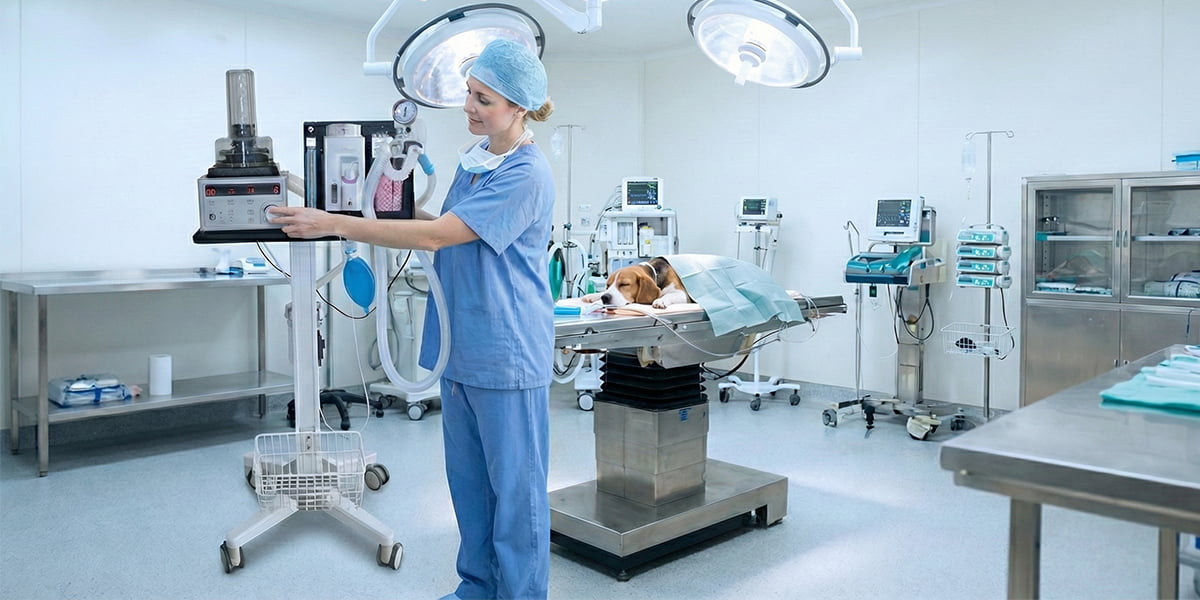
Why clinics stress about buying a vet anaesthetic machine
Most people aren’t worried about features.
They’re worried about outcomes.
Will it be safe for small animals?
Will it work smoothly during back-to-back surgeries?
Will staff actually like using it?
Will maintenance turn into a monthly headache?
And the big one.
“If something goes wrong, was this a bad purchase decision?”
That’s the real pressure behind buying a vet anaesthetic machine.
What a vet anaesthetic machine actually is (in plain English)
A vet anaesthetic machine controls how anaesthetic gases are delivered to animals during surgery.
That’s it.
No magic.
No mystery.
But here’s the part people miss.
Animals are not humans.
You’re dealing with:
- Huge differences in body size
- Faster metabolism
- Higher sensitivity to dosing errors
Which means veterinary anaesthesia equipment needs precision and stability, not just basic functionality.
Why choosing the right vet anaesthetic machine matters more than you think
I’ve seen clinics buy a machine that “looked fine” on paper.
Six months later, they’re frustrated.
Common problems include:
- Unstable anaesthesia depth
- Gas leakage and waste
- Complicated operation that staff avoid
- Limited compatibility with monitoring equipment
And once a vet loses confidence in a machine, trust is gone.
That’s expensive to fix.
Key factors to consider when choosing a vet anaesthetic machine
Animal type and daily case volume
Start here.
Always.
Ask yourself:
- Small animals only, or mixed cases?
- Routine procedures or complex surgeries?
- 3 cases a day or 15?
More volume means:
- Higher stability requirements
- Faster workflow
- Less tolerance for downtime
A low-volume clinic still needs safety.
A high-volume clinic needs consistency under pressure.
Gas delivery and vaporiser setup
This is where accuracy lives.
You don’t need every option.
You need the right ones.
Look for:
- Stable gas flow
- Compatible vaporisers
- Easy adjustment during procedures
If changing settings feels risky or clumsy, it’s the wrong setup.
Breathing circuit configuration
Different animals breathe differently.
Your machine should adapt, not fight you.
Key points:
- Flexible circuit options
- Easy switching between cases
- Reliable sealing
One rigid setup is rarely enough for a busy clinic.
Build quality and safety design
This is not about how shiny it looks.
Focus on:
- Solid frame and balance
- Reliable valves
- Clear pressure indicators
- Safety mechanisms staff can understand
If a junior nurse can’t use it confidently, it’s a problem.
Portable vs stationary vet anaesthetic machines
This comes up all the time.
Portable vet anaesthetic machines work well when:
- Space is limited
- You run mobile services
- You want flexibility across rooms
Stationary machines make sense when:
- Surgery volume is high
- Setup rarely changes
- You want a fixed workflow
Mistake I see often.
People assume portable means “less professional”.
That’s outdated thinking.
Where clinics usually go wrong
Let me be blunt.
Most mistakes come from these decisions:
- Buying based on price alone
- Ignoring long-term maintenance
- Not thinking about future expansion
- Choosing a machine that doesn’t integrate with monitors
A vet anaesthetic machine is not a one-year decision.
It’s a workflow decision.
Choosing the right vet anaesthetic machine supplier
This matters more than the brand.
A good supplier:
- Understands clinical use, not just specs
- Helps with configuration choices
- Supports OEM or distributor needs
- Provides documentation and training
If they only talk about discounts, walk away.
This is where internal linking helps.
You can naturally link to related equipment such as
veterinary patient monitors
or
portable veterinary monitoring systems.
Decision-makers don’t buy one product in isolation.
FAQs about vet anaesthetic machines
What size vet anaesthetic machine is best for small animal clinics?
Most small animal clinics need compact systems with stable low-flow control rather than oversized units.
Is a portable vet anaesthetic machine suitable for daily surgeries?
Yes, if it’s designed for clinical use and not just emergency backup.
How often does a vet anaesthetic machine need maintenance?
Basic checks should be routine, with professional servicing scheduled regularly based on usage.
What’s the difference between human and veterinary anaesthetic machines?
Veterinary machines are designed for wider size ranges and faster physiological response changes.
Final thoughts
Buying a vet anaesthetic machine isn’t about chasing features or brands.
It’s about matching the machine to your clinic’s reality.
Your cases.
Your team.
Your future growth.
When the setup fits, surgeries run smoother.
Staff work with confidence.
And you stop second-guessing the decision.
That’s what choosing the right vet anaesthetic machine is really about.