
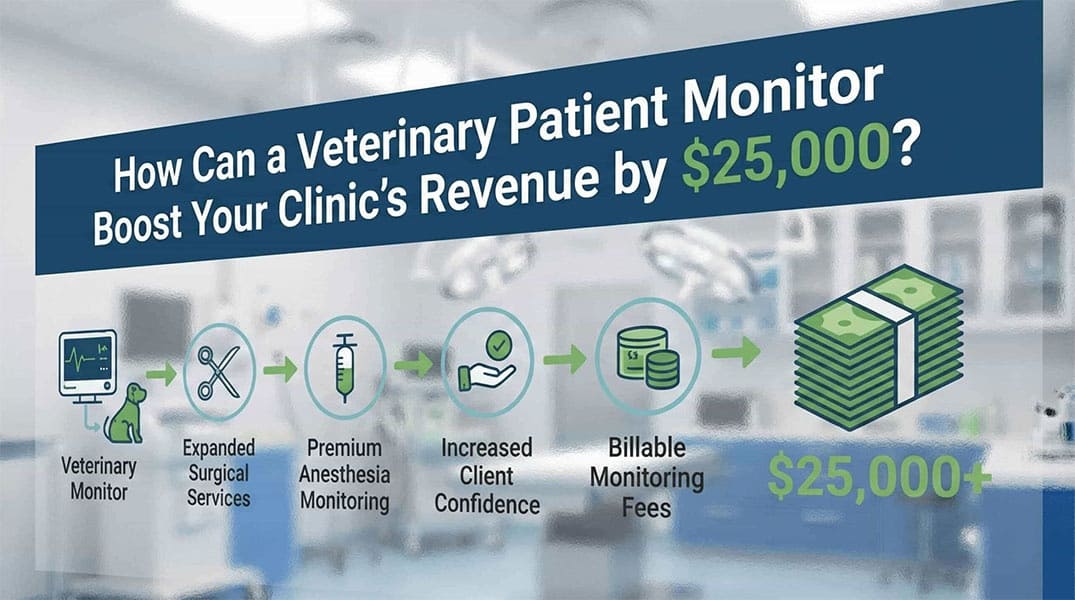
 You care deeply for every animal entrusted to your care, but balancing high standards with tight profit margins keeps you awake at night. Are you missing out on growth—and peace of mind—because you lack the right support?
Investing in a high-quality veterinary patient monitor allows you to perform complex surgeries with confidence, offer billable ICU services, and reduce staff stress. This device not only improves patient safety but also generates a net return of over $20,000 per year for most clinics.
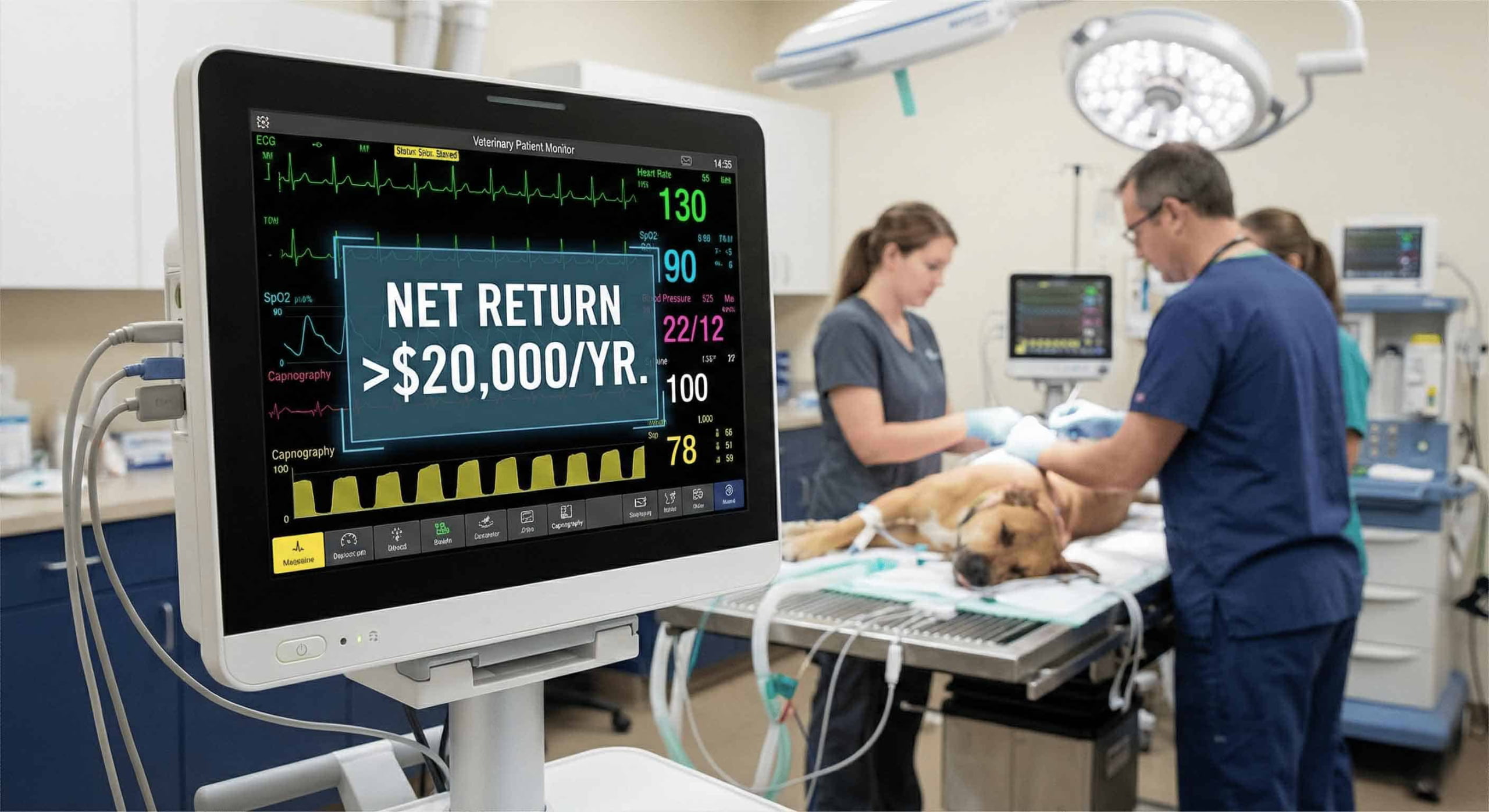
Many clinic owners I talk to view veterinary equipment purely as a financial burden. They see the price tag and worry about cash flow. I used to think this way too. But then I looked deeper. I realized that the right equipment is not just a cost; it is a guardian. It works 24/7 without a salary to protect your patients and your peace of mind. I want to show you how this emotional and financial math works for your business.
What Do Global Market Trends Tell Us About the Future of Veterinary Care?
The veterinary industry is shifting rapidly, driven by pet owners who demand hospital-grade safety for their "fur babies." If you feel the pressure to upgrade your standards to build trust, you are not alone.
The Global Veterinary Monitoring Equipment Market was valued at approximately USD 2,533.6 million in 2024. By 2033, it is expected to more than double to nearly USD 5,907.5 million. This massive growth signals a clear message: clients are willing to pay for the safety and peace of mind that advanced technology provides.
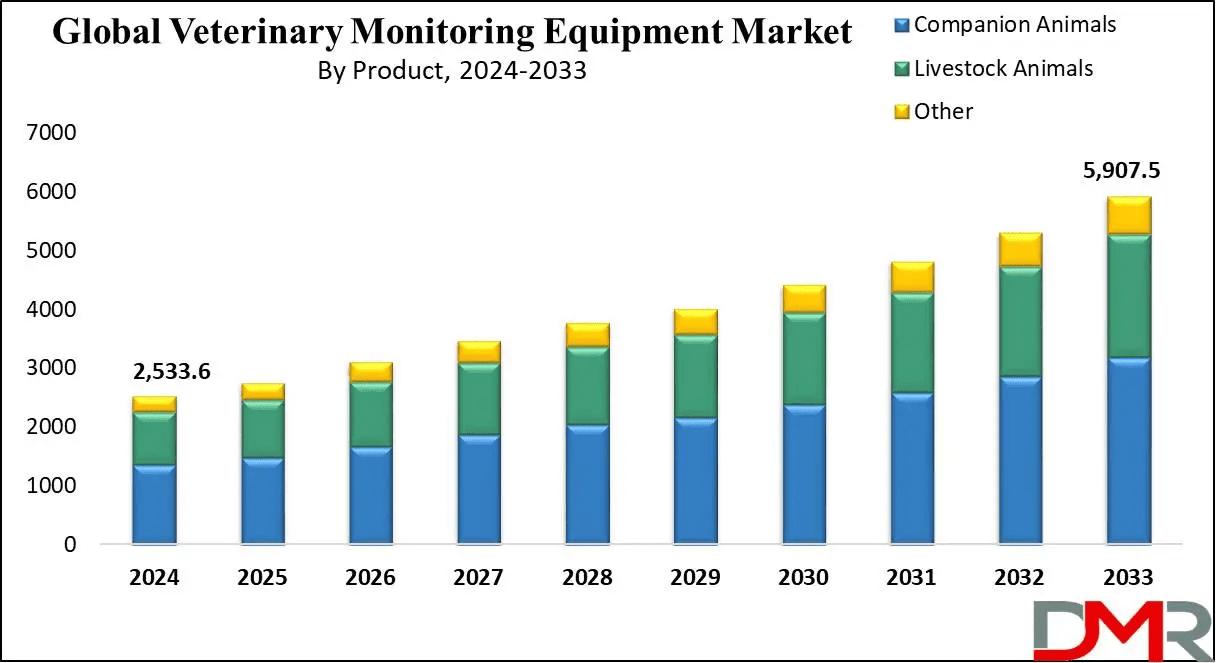
Why are these numbers critical to you? This data from Dimension Market Research1 tells a human story, not just a financial one. The market is exploding because of "pet humanization." Owners view their pets as children. When they hand their dog over to you, they are terrified. They expect the same level of safety for their pet as they do for themselves.
If the market for the veterinary patient monitor is doubling, it means your competitors are responding to this emotional demand. They are buying tools that prove they care. If you rely on old methods, you risk breaking that fragile trust. When I look at this trend, I see an opportunity to connect. The revenue is there because the love is there. By aligning your clinic with this global trend, you position yourself as a safe harbor in your community. You capture the revenue driving this multi-billion dollar growth because you offer what owners want most: the assurance that their loved one is safe.
Does a Veterinary Patient Monitor Really Allow You to Perform More Profitable Surgeries?
You might turn away older pets or complex cases because the fear of anesthesia complications weighs too heavily on your conscience. This limits your income and forces loyal clients to seek help elsewhere.
A reliable veterinary patient monitor gives you the real-time visibility to handle complex procedures without fear. By adding just two surgeries a month, you can increase annual profit by $12,000 while sleeping better knowing you did everything to keep your patient safe.
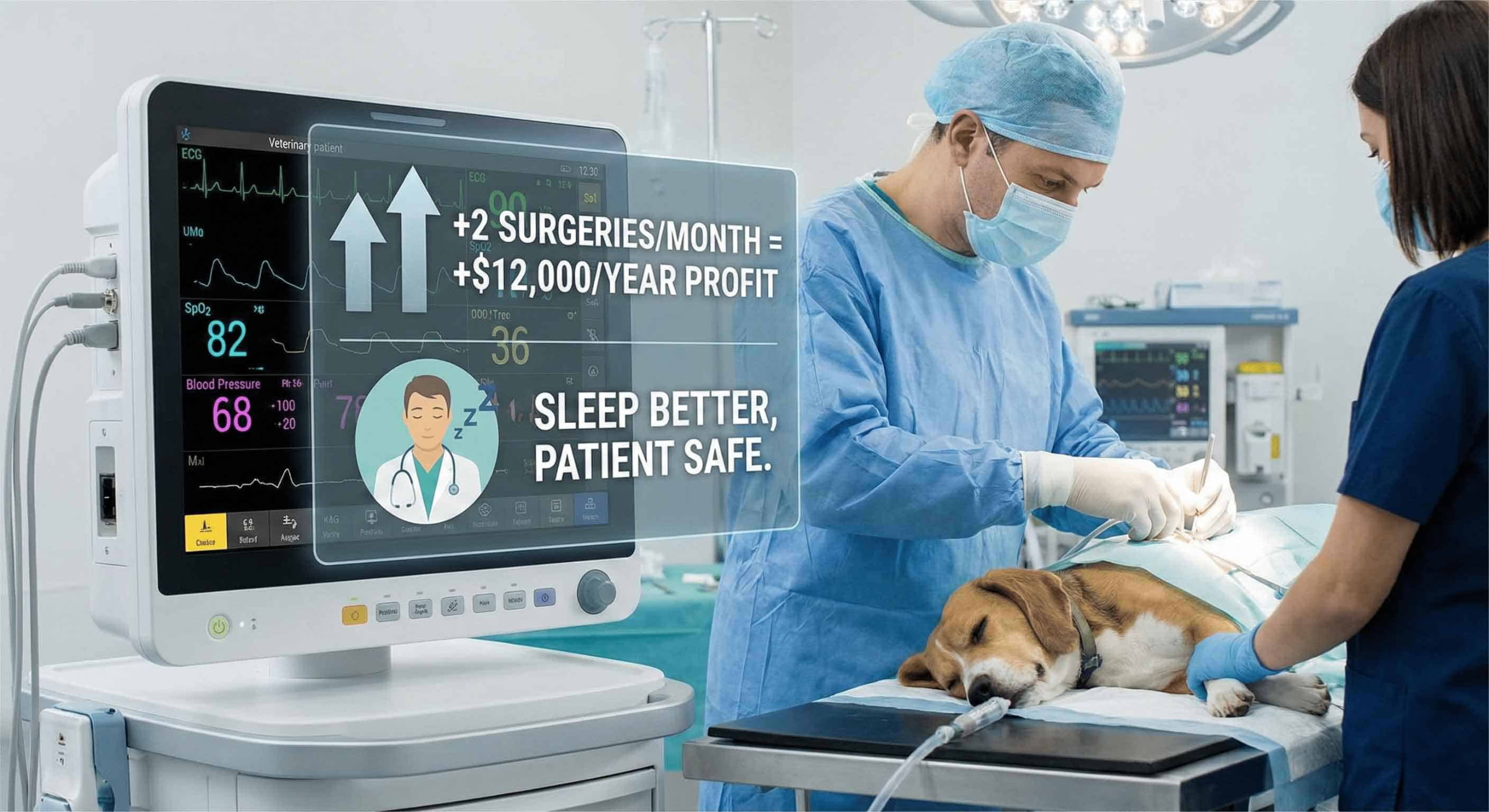
I remember speaking with Dr. Sarah. She is a compassionate vet, but she carried a lot of anxiety. She often referred older dogs to specialists for simple procedures because she was afraid of "flying blind" during anesthesia. She worried she wouldn't catch a complication in time. That fear held her practice back.
After she installed a proper multi-parameter veterinary patient monitor, the atmosphere in her surgery room changed. She could see the ECG, SpO2, and blood pressure in real-time. The "knot" in her stomach disappeared. She felt safe keeping those patients in her care.
This confidence is transformative. When you aren't second-guessing every breath, you can say "yes" to more cases. You can perform dentals on seniors or soft-tissue repairs with a steady hand.
Let's look at the financial result of this confidence:
| Item | Estimated Value |
|---|---|
| New Surgeries per Month | 2 |
| Net Profit per Surgery | ~$500 |
| Monthly Extra Income | $1,000 |
| Annual Total | $12,000 |
This $12,000 isn't just profit; it's a reward for providing a safer environment. You keep the patient, you keep the revenue, and the owner is grateful that their pet stayed with the vet they know and trust.
Can You Generate Income from Post-Op and ICU Services with a Veterinary Patient Monitor?
Post-operative care is stressful when you cannot watch a recovering animal every second. You might avoid overnight hospitalization because the risk of an unobserved emergency feels too high.
With a veterinary patient monitor, you can offer billable hospitalization and ICU services with confidence. Automated alerts act as a constant sentry, allowing you to charge for overnight care and emergency stabilization, potentially adding $9,600 to your yearly revenue.
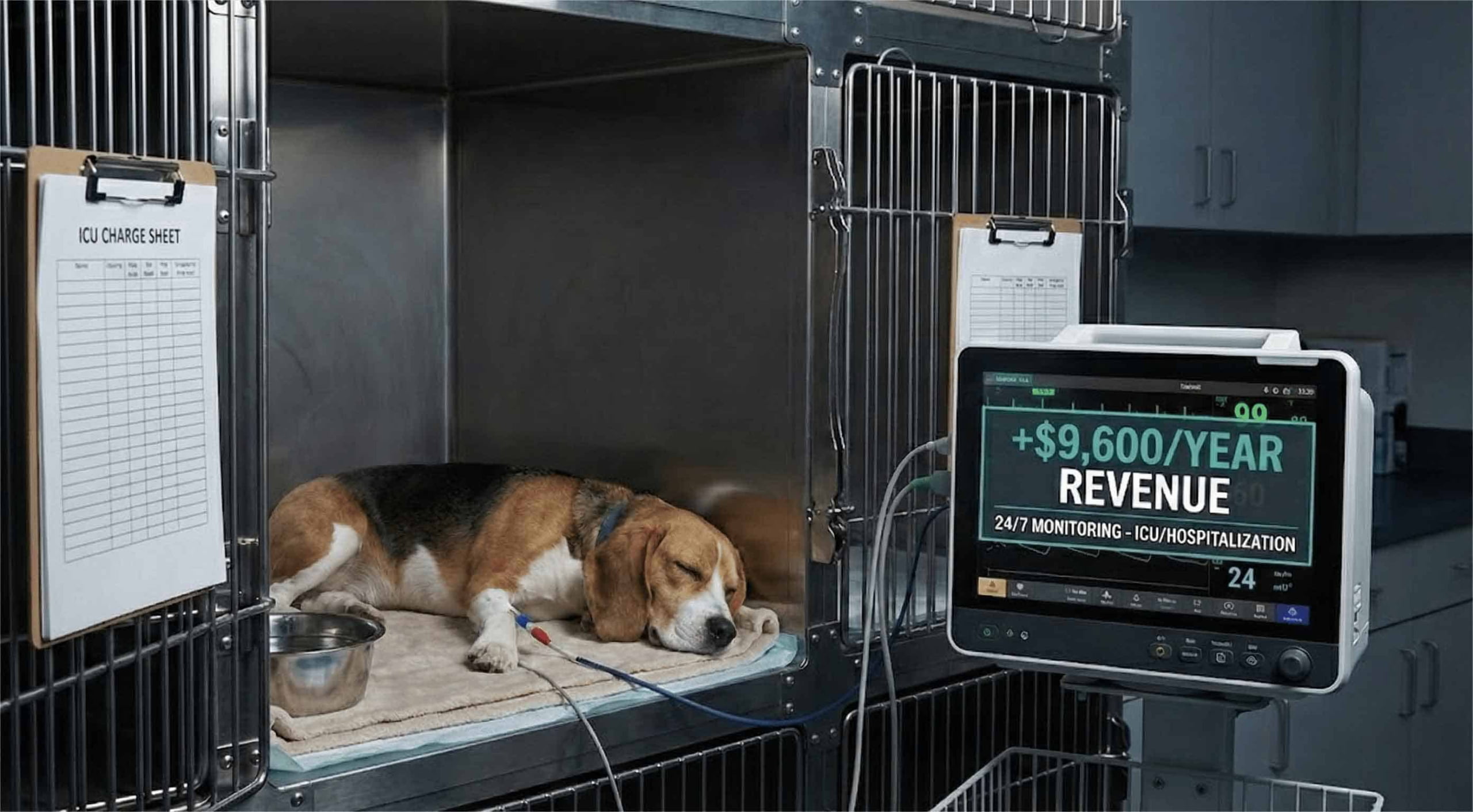
Think about the pets that come in with heat stroke or trauma. They need constant vigilance. In the past, you might have sent them away because you couldn't promise 24/7 eyes on the cage. You lose that income, and the client faces the stress of transport.
When you have a veterinary patient monitor with loud, clear alarms, your team gains a digital partner. The machine watches the vitals tirelessly. If the heart rate drops or oxygen dips, the alarm sounds immediately. This technology gives you permission to rest, knowing the patient is being watched.
This allows you to ethically create new service items. You can charge for "Continuous Vital Monitoring." Clients are happy to pay for this. They are buying the comfort of knowing their pet is not alone in the dark.
Here is the value of that peace of mind:
| Service Type | Frequency | Net Profit | Annual Total |
|---|---|---|---|
| Monitored ICU Stay | 1 patient/week | $200 | $9,600 |
| Post-Op Monitoring | 5 patients/week | $30 | $7,800 |
At Olivevet, we build reliability into our devices because we know what is at stake. A veterinary patient monitor turns a source of anxiety into a pillar of your business.
Will This Device Save Staff Time and Protect Your Reputation?
Your technicians are likely overworked, spending valuable time manually counting heart rates. This constant pressure leads to burnout and mistakes that can damage your clinic's good name.
A veterinary patient monitor automates vital tracking, reducing the physical and mental load on your staff. This saves roughly $2,400 a year in labor while protecting your reputation from the devastation of preventable errors.
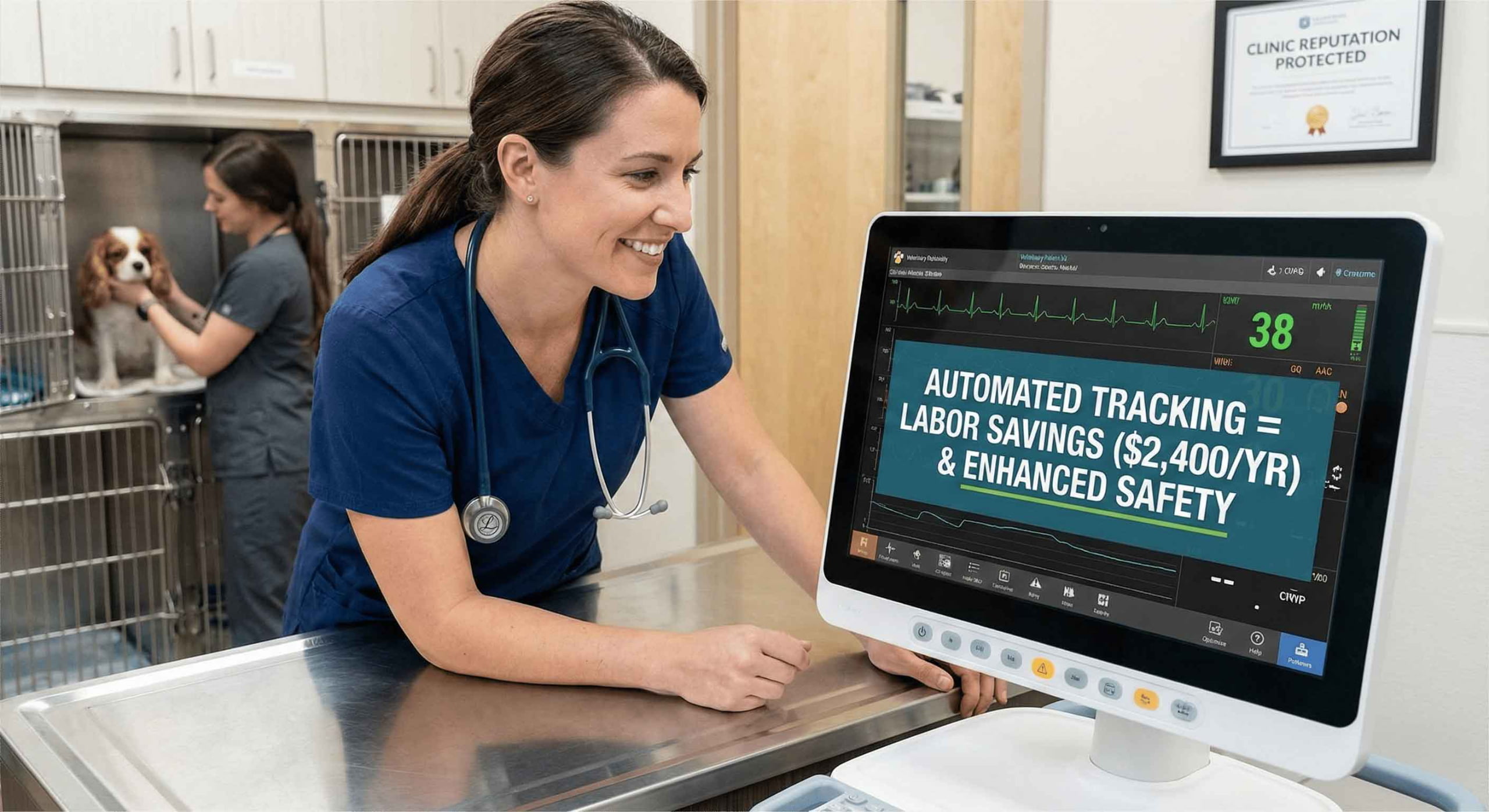
Time is currency, but staff well-being is priceless. I often see technicians stressed, trying to juggle prep work while manually checking a patient every five minutes. It is exhausting and distracting.
A veterinary patient monitor lifts this burden. It automates the routine checks, freeing your staff to focus on higher-level care, like patient comfort or client communication. We estimate this saves about $200 to $300 a month in labor optimization. But the real value is a calmer, more focused team.
More importantly, the monitor protects your reputation. The heartbreak of losing a patient under anesthesia is something no vet wants to face. It devastates the team and destroys client trust. A monitor acts as a safety net.
- Prevent Tragedies: Alarms give you seconds to react, which saves lives.
- Digital Witness: It records data, proving you provided the standard of care.
- Client Trust: Seeing high-tech equipment reassures owners that they chose the right clinic.
In a world where one bad review can hurt your business, investing in a monitor is investing in your brand's integrity. It shows you care enough to use the best tools available.
Is the Investment in a Veterinary Patient Monitor Worth the Return?
You may worry that high-tech equipment is a luxury you cannot afford right now. You need practical solutions that pay for themselves, not expensive gadgets that sit unused.
Most high-quality veterinary patient monitors cost between $2,000 and $6,000. When you combine surgical revenue, ICU fees, and labor savings, you can often pay off the device in under one year and see a net return of over $23,000.
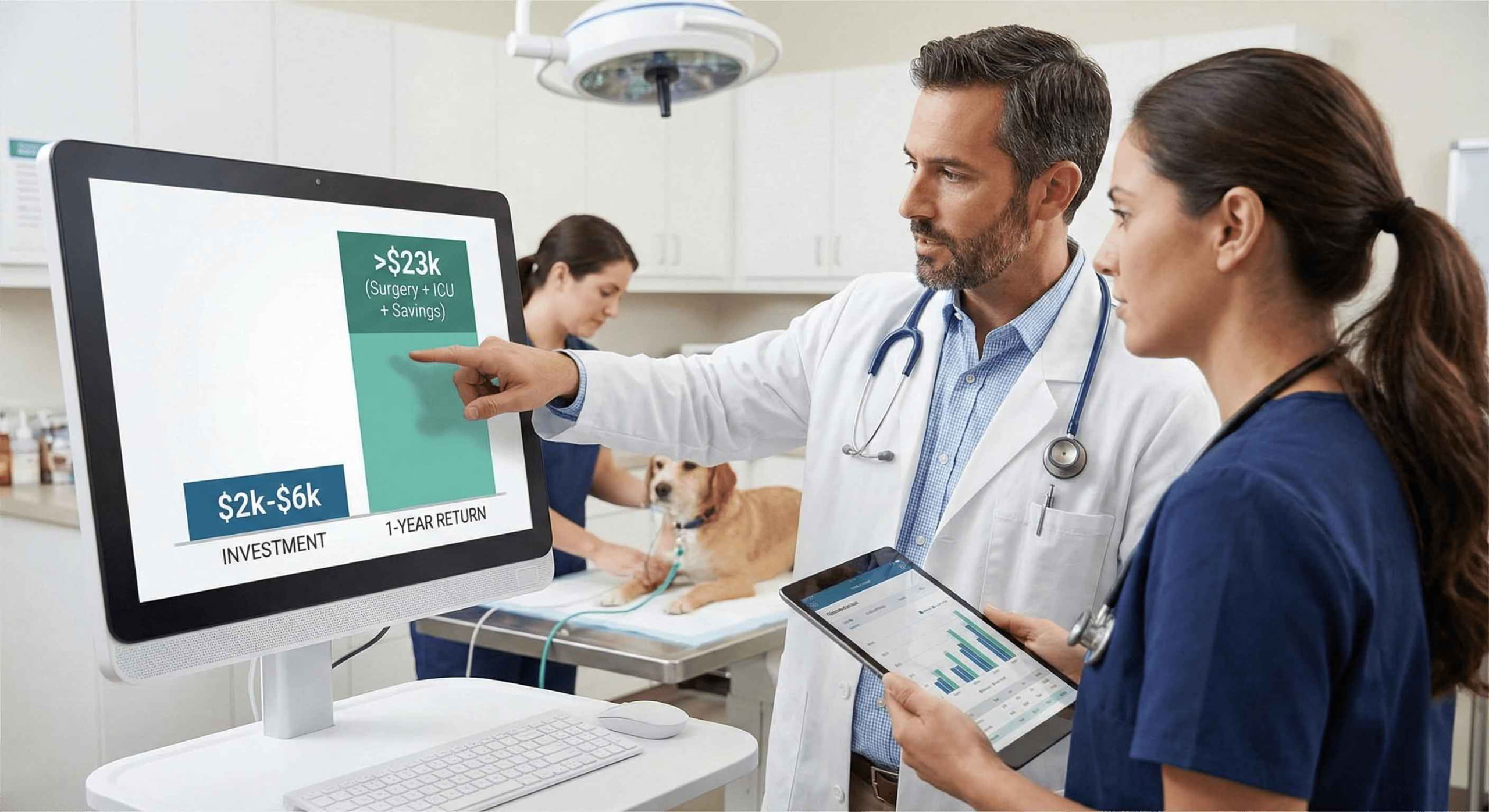
Let's look at the hard numbers. I know margins are tight. You need to know if this investment makes sense.
A good veterinary patient monitor will last 5 to 8 years. The maintenance is minimal. Some vets ask if they can use cheaper human monitors. The answer is no—human algorithms fail on animals, leading to constant false alarms. This causes "alarm fatigue," where staff stop listening to the beeps. That is dangerous and stressful.
Here is the breakdown of what you can expect in a typical year with one proper veterinary device:
| Revenue Source | Monthly Gain | Annual Gain |
|---|---|---|
| Extra Surgeries | $1,000 | $12,000 |
| ICU Services | $800 | $9,600 |
| Labor Savings | $200 | $2,400 |
| Minus Maintenance | - | -$500 |
| Total Net Return | ~$2,000 | $23,500 |
The device pays for itself in a few months. After that, it is pure profit. But more than the money, it buys you confidence. It buys your staff relief. It buys your clients trust. Investing in a veterinary patient monitor is one of the easiest "yes" decisions you can make.
Conclusion
A veterinary patient monitor is a profit tool, a safety net, and a trust builder. It boosts revenue, saves time, and gives you the peace of mind to practice your best medicine.
Are you ready to elevate your standard of care and grow your revenue? Contact Olivevet today to schedule a demo or discuss which monitoring solution fits your clinic’s needs.
Explore this link to understand how pet humanization is reshaping market dynamics and consumer expectations. ↩